The No-Stress Holiday Dog Training Move That Stops Food Stealing
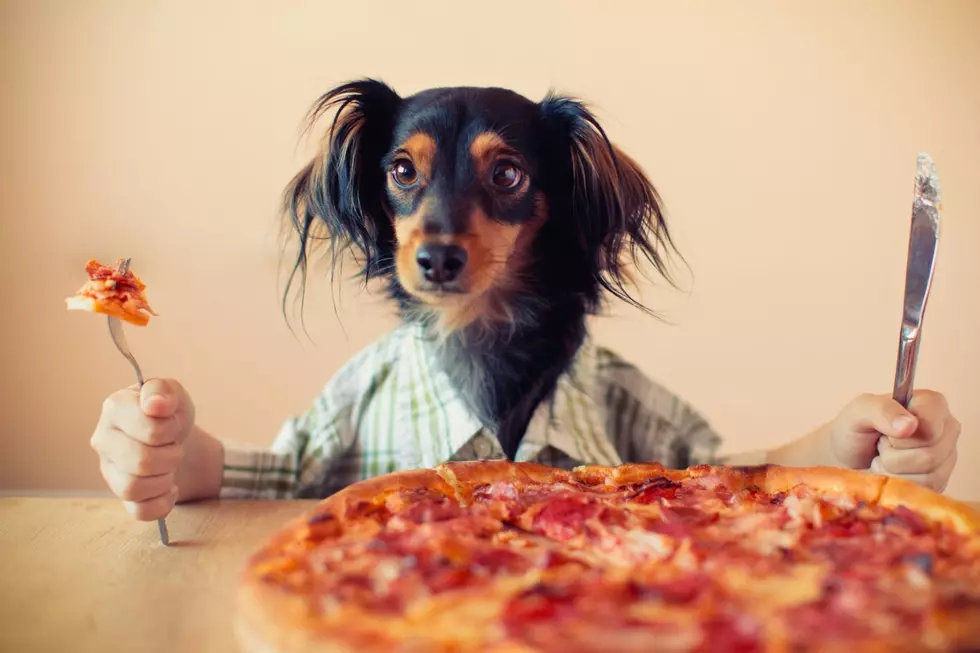
You sit down to eat, and without being too much of a bother, your dog settles nearby. At some point, a piece of food ends up on the floor, but instead of diving for it, your dog sits up and looks at you or completely ignores it. With the holiday season around the corner, training your dog a leave-it cue is especially important, but there’s something even more important: teaching leave-it as a rule.
Dogs should learn to ignore many things both at home and outside. You don’t want your dog picking up food from the ground while out at the park or grabbing things they shouldn’t at home. It’s not just food dogs should learn to leave, either. During the holidays, you’ll likely want your dog to learn how to ignore decorations instead of turning them into toys. Then there are the gifts, scarves, and gloves guests wear; the list goes on.
Some dogs are naturally skilled at ignoring things that don’t belong to them. Not every dog constantly searches for food or something to shred. The work it takes to train a dog to leave things reliably varies. Remind yourself to practice with your dog, talk with other family members, and make a plan to keep things as clear as possible for the dog. Leave-it training isn’t just about the dog; it’s about how consistent the people are. If your dog struggles with this skill, a trainer can help.
Leave-It As a Rule
Imagine having to tell your dog “leave-it” every time they encounter something that they shouldn’t pick up or touch. While dogs should learn a cue that reminds them to ignore things, with practice they can also learn to leave food on the ground without a reminder. This matters because dogs often find things before a person can tell them to leave it. Instead of relying solely on a leave-it cue, dogs should learn a clear and consistent rule about leaving things. The rule is simple: the dog learns to leave any food that’s not in their own bowl or puzzle toys unless you say otherwise.
You can train your dog with a cue that lets them take food from the ground. For example, I use the cue “search.” The dog learns that whatever hits the ground after that word is theirs. Then, you teach a leave-it without using the verbal leave-it cue. To do this, place a piece of kibble in a container of some sort. You could also cover it with your foot. If you’re worried your dog can’t smell it through the container (they probably can), poke a few holes in it. Let your dog watch you put the container down, then wait for them to ignore it. As soon as your dog turns away from the covered kibble and looks at you, reward them with a better piece of food than the one in the container. If your dog guards food, don’t try this without professional help.
Your dog has to figure out the right answer without you talking them through it. Next, you move on to having the low-value food outside of the container or uncovered. While there’s a lot more to it, this can be a great starting point.
Regular Practice Sessions Lead to Better Results
The second area of focus is about building strong leave-it skills through strategic practice. At first, leave-it training is easy enough that the dog can get it right with little effort. The next step is to make the training more challenging, but you need to strike a balance. You want your dog to think it’s always worth leaving food unless cued otherwise. That means you will almost always give your dog something better than what they leave. But you also have to challenge the dog. Sometimes the item they leave will be more enticing than other times.

Learning how to use a variety of rewards is important in practice, too. Ignoring something for the same predictable treat is hardly enough for most dogs. Instead, make it worth it for your dog by using a variety of rewards for making the right choice. Ignoring something for a rewarding event, such as a play session or an extremely valuable treat, will strengthen the behavior.
The moment your dog starts getting the thing they’re supposed to leave, you have a problem. Prevent mistakes so that your dog doesn’t start to think they have to be faster or more clever than you to get whatever was supposed to be ignored. Set your dog up for success by preventing mistakes from the start and build up to more challenges over time.
Reducing Mistakes at Home
The third area to focus on is less about training and more about prevention. Instead of micromanaging your dog’s every move inside, prevent mistakes by making sure your dog can’t get to food they shouldn’t. Don’t leave plates of food on the edge of the table, keep the trash secure, and so on. This is another way to set your dog up for success, and as you work on the skill, your dog will get better over time. Fewer early mistakes mean less worry later.
What About Leaving Other Things?
Beyond food, dogs also need to learn not to pick up items they shouldn’t. Encourage your dog to interact with their own toys. When your dog has a toy they are supposed to have, give them attention. To train a leave-it cue as a reminder when your dog goes for something they shouldn’t, you can start the same way you did when you trained leave-it without a verbal cue. You would just add a verbal cue. Your dog will learn that the moment they look toward you after you say “leave-it,” they might earn a reward. Then you can transfer the skill to other items.
If your dog eats items they shouldn’t, talk to your veterinarian and work with a trainer to keep your dog safe. Also talk with your veterinarian if your dog seems to be stealing food more, or suddenly seems hungrier than usual.
While training your dog to leave it takes consistent practice, the results can mean less worrying. As a bonus, an impressive trick is having a dog that can switch between chasing a piece of food you toss after you say “search” and ignoring a piece of food you toss as a leave-it. Remember, if your dog finds food, they can learn it’s automatically off-limits whether you said leave-it or not. It’s only theirs when you give the cue that tells them so.
Melissa Viera is the owner of MJ's Pet Training Academy in Acushnet.
Holiday Foods That Are Bad For Your Dog
8 Safe Foods To Share With Your Dog This Thanksgiving
More From WFHN-FM/FUN 107