Why Letting Your Dog Solve Their Own Problems Is the Secret to Better Behavior
It’s important to set dogs up for success during training. You’ll hear trainers say this all the time. It could mean getting rid of distractions in the training space until the dog is ready, using props to help the dog learn particular skills, like using a dog bed to help a dog learn to stay, or keeping training sessions short enough for the dog to easily maintain focus throughout. When you train your dog, you control the environment and how much time you spend training. You’ll also choose which skills to focus on. What you shouldn’t do is control every move your dog makes. Training gives your dog the opportunity to think and problem-solve when you step back and offer only the guidance the dog in front of you needs.
What "Setting a Dog Up for Success" Really Means
This past weekend, I avoided the rain with my dogs by playing indoor training games. I watched Leven, one of my most experienced puzzle-solving dogs, work through a challenge, and I started thinking about how I set dogs up for success during training while also encouraging them to work through problems. For me, it’s about giving the dog room to think and understanding what they need.
Some dogs need quiet guidance. Others do well with upbeat play or an easy win. You don’t learn what a dog needs and how they learn by trying to control everything they do during training.

Beyond Store-Bought Toys: Creating DIY Dog Training Puzzles
I provide my dogs with puzzles to solve. These aren’t the kind of puzzles you buy in the dog toy section where the dog has to try to get a treat out. Instead, I create training games to see what my dogs can do. One example is a cup stacking game. As a foundation, the dog learns to put their toys into a basket. This later turns into smaller objects that require more precision, such as cups. I’ve placed cups of multiple sizes in front of my dogs to see whether they keep trying when one doesn’t fit. Letting a dog keep working on a problem without much feedback takes practice.
The Pumpkin Test: What Happens When You Step Back
The rainy-day game I played with Leven involved stacking pumpkins. I picked up small, toy trick-or-treat-style pumpkin decorations. They wouldn’t fit into each other the way cups do, so I thought, I’ll see if she can stack one on top of the other. I tested this first while she watched and realized it wouldn’t be easy for a dog to balance the pumpkins, which didn't fit perfectly.

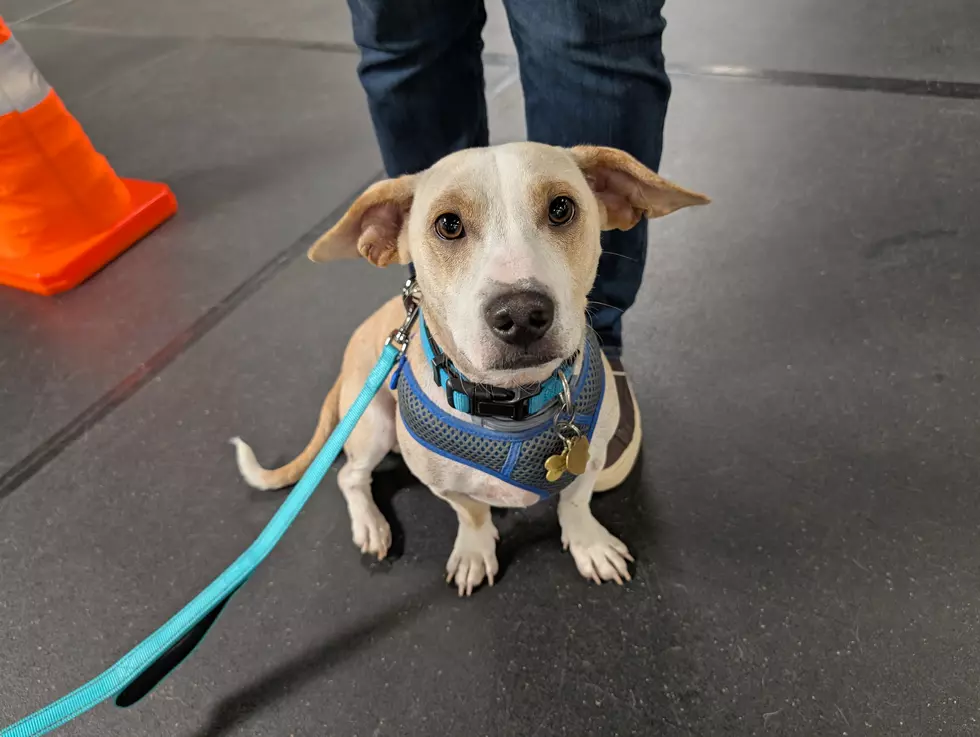
She immediately tried to stack them and missed at first. Then something interesting happened. My dog picked up one of the three plastic pumpkins, walked to a nearby cone in the training academy, and placed it next to the cone. She then returned to the setup where I had placed the pumpkins and grabbed the next one, easily stacking it on the one near the cone. The cone seemed to help balance the tower. It could be a coincidence, but I couldn’t help wondering whether she did it intentionally. After that, she stacked the decorations easily, without anything nearby for support.
I didn’t try to call my dog back as she walked away with the pumpkin toward the cone. I didn’t hover over her, pointing or trying to help once she figured out the objective. Watching dogs work through challenges is an amazing part of training, but you have to find the right balance so the dog can be successful.
Why Micromanaging Limits Your Dog's Problem-Solving Ability
The training puzzles I do with dogs offer a unique example, but this perspective applies to any part of the training process, including everyday skills. Setting a dog up for success doesn’t mean following an exact formula or framework for every session. It means recognizing what the individual dog needs while still giving them room to think.
Training means working with sentient animals. You have to find what works for each one. While I often let Leven work through challenges as I stand back quietly, another one of my dogs might need more guidance and more frequent rewards. When it comes to training, I want my clients to set their dogs up for success, but I also want them to have the same moments of pure amazement that I still have after a lifetime of training dogs. Training offers something far bigger than obedience, and I believe you can only experience it when you appreciate dogs for what they are: unique, clever animals.
RANKED: Here Are the 63 Smartest Dog Breeds
Gallery Credit: Sabienna Bowman
More From WFHN-FM/FUN 107