Why Small Pets Aren’t as ‘Low-Maintenance’ as You Think
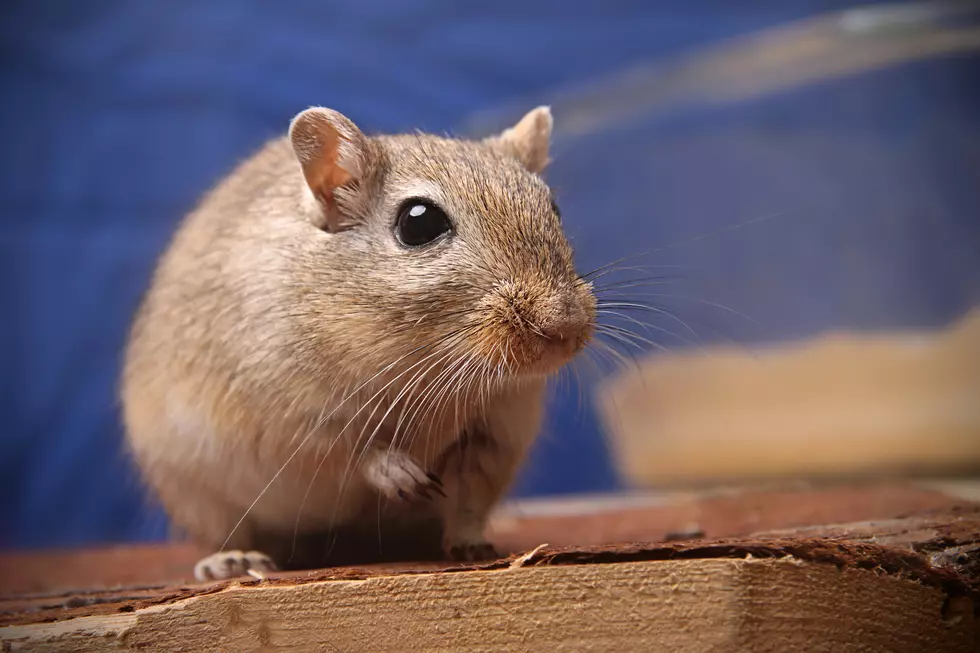
If you’re thinking about adding a new pet to your family, it's important to learn about the unique needs of the species you’re considering. Some people assume that small pets, such as hamsters, guinea pigs, gerbils, mice, rats, and rabbits, are easy to care for simply because they don’t take up much space. While they might require less food and fewer supplies than many larger pets, they still have unique care requirements that families should understand.
Small pets have enrichment needs just like dogs and cats. Animals that spend much of their lives in an enclosure have far fewer choices than companion dogs and cats do. They see the same environment every day and can't choose to leave on their own. Instead, they rely on caregivers to provide opportunities for mental stimulation and environmental changes. Understanding how to help these animals thrive is an important part of responsible pet ownership.
Whether you're considering a small animal for yourself or as a family pet, learning about what the animal needs is a rewarding part of the process. Taking the time to research the type of animal you plan to take home as a family also provides an excellent opportunity to teach children about responsible pet ownership and the commitment involved in caring for another living creature.
Understanding the Hidden Intelligence of Small Animals
Small animals are capable of amazing things, but because of their size, some people assume they don't have many emotional or behavioral needs. In reality, all animals have their own complex needs and unique abilities. Rats can be trained to detect scents, mice can learn tricks, and rabbits can be clicker trained. When you recognize just how intelligent many small animals are, it becomes easier to understand why providing the right environment and species-appropriate enrichment is so important.
Setting Up the Perfect Enclosure for Your New Companion
One of the first things to consider for any small pet is the enclosure. The enclosure should be appropriate for the species, providing enough space, proper ventilation, suitable temperatures, and any necessary humidity requirements. The enclosure should be large enough to allow the animal to perform natural behaviors and enjoy a variety of activities. Once you've selected an appropriate enclosure, the next step is learning how to set it up properly. You’ll have to find out what type of substrate and bedding the animal needs, what it needs to hide in and climb on, and so on. Some animals need deep substrate for digging or burrowing, while others have entirely different environmental needs.

Essential Health and Research Resources for Families
Fortunately, there are many ways to learn about how meeting an animal’s behavioral needs within their enclosure can significantly improve welfare. No matter what species you’re interested in, there are usually plenty of books, reputable websites, experienced keepers, veterinarians, and species-specific organizations that can provide valuable information on ethical care and husbandry.
In addition to learning about enclosure requirements, when deciding whether a particular pet is right for your family, consider asking yourself other important questions, such as what type of medical care the pet needs, and whether there is a local veterinarian who provides services for the species. Once everything is set up and your family is prepared, you can enjoy the rewarding experience of caring for your new companion together, whatever type of animal you decide on.
WOW: 19 Exotic-Looking Animals Surprisingly Found in America
Gallery Credit: Stephen Lenz
Massachusetts Wildlife You Can Legally Take Home as Pets
Gallery Credit: Tim Weisberg
More From WFHN-FM/FUN 107