Massachusetts’ Biggest Portuguese Feast Has a Madeira Wine Tradition Like No Other
For many people attending New Bedford's Feast of the Blessed Sacrament, the first sip of Madeira wine is as much a tradition as the music, the food and the reunion with family and friends. It has become the standard of the world's largest Portuguese feast, poured by the barrel and enjoyed by hundreds of thousands of visitors each year.
Few people, however, know the remarkable story behind how that wine makes its way from a small Atlantic island to the heart of New Bedford every August. Trust me, this back story is as interesting as it gets.
For more than 35 years, that responsibility has belonged to Saraiva Enterprises, the New Bedford-based importer operated by President Fred Saraiva and his sister Lisa Saraiva-Lima, that works year-round to ensure the feast's signature Madeira wine is ready when the gates open.
More Than Just a Wine Distributor
Saraiva said supplying the feast isn't simply another business account. It's a responsibility his family takes great pride in carrying on. "It's great," Saraiva said. "We're recognized as the importer of the feast wine. It's something prestigious for us, and it's part of what we do."
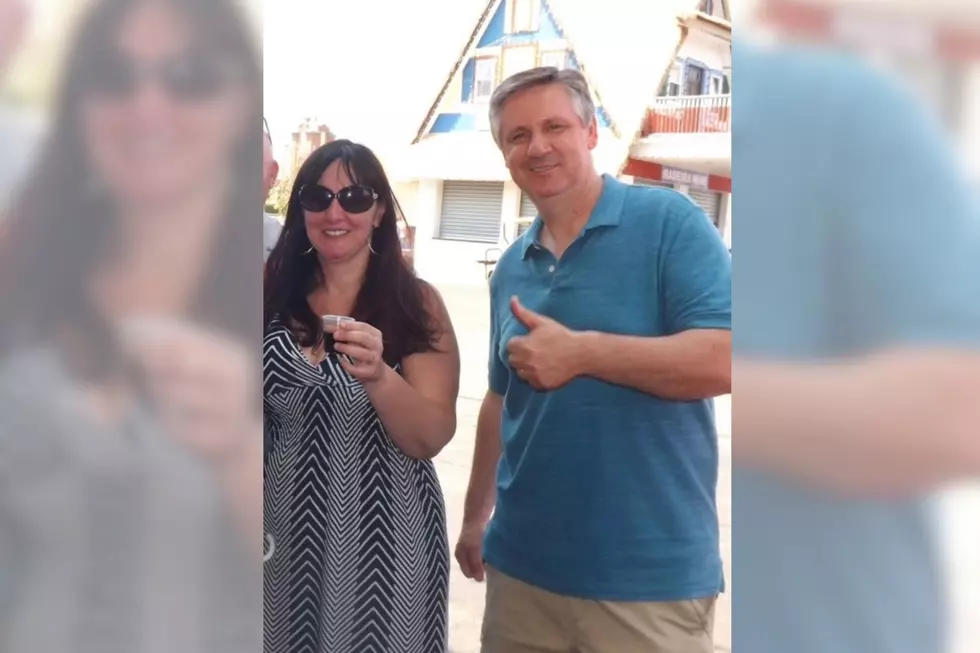
The family business began in 1985 after Fred's father transitioned from the salted cod business into wine importing. Since then, Saraiva Enterprises has grown alongside the feast, importing the Justino's Madeira that has strongly represented the annual celebration.
READ MORE: How Madeira Wine Helped to Found America
The Only Barrels of Their Kind
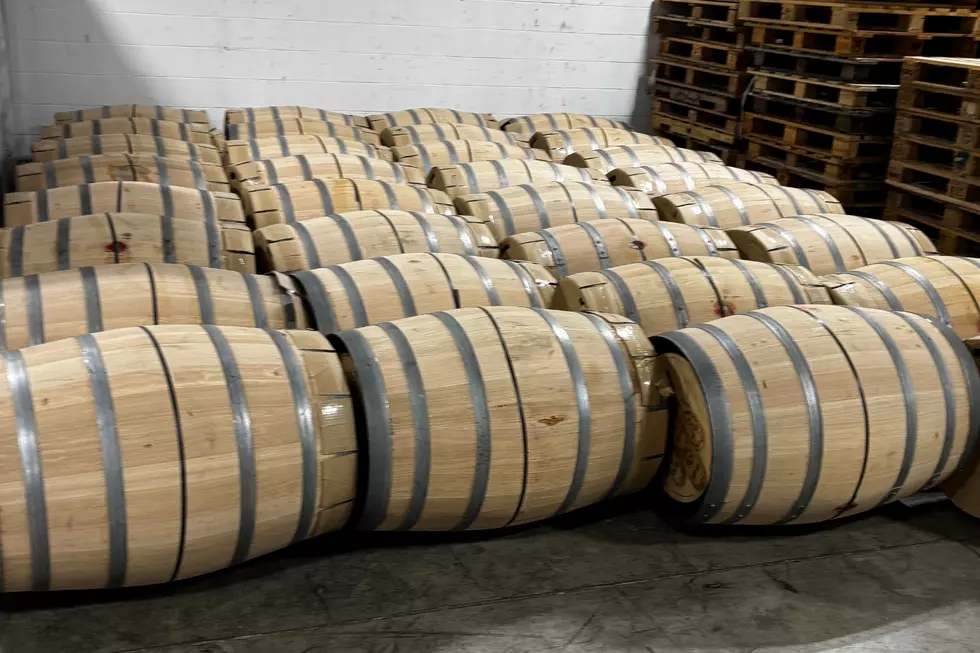
One of the most fascinating parts of the story is that the Feast of the Blessed Sacrament enjoys a privilege no other event in the world receives. Madeira wine is typically exported only in bottles. Yet every year, the Madeira Wine Institute grants special authorization allowing the feast's wine to leave the island in 32 large transport barrels, each holding about 225 liters.
"The feast is the only entity in the world that can get Madeira wine in barrels," Saraiva said. That exception exists because of a tradition stretching back decades and the practicality of serving such enormous crowds. Long before the feast grew into the international celebration it is today, organizers realized bottles simply couldn't keep up with the demand.
Why Feast Wine Tastes Different
Ask almost any feast-goer and they'll swear the Madeira wine tastes better at the feast than it does from a bottle back home. Saraiva smiles whenever he hears that. Technically, it's the exact same three-year-old Justino's Madeira sold in stores. However, he said the wine does experience additional movement during its ocean voyage while inside the transport barrels.

That gentle rolling at sea, combined with the time spent before serving, may subtly enhance the wine. Still, Saraiva believes another ingredient is just as important. "When you're with friends, listening to music, eating great food and having a good time, everything tastes better," he said.
A Wine Built to Travel
Unlike most wines, Madeira is intentionally heated during production through a process called estufagem, which recreates the long sea voyages ships once made centuries ago. Merchants discovered that after sailing through warm climates and returning home, the wine had actually improved.
READ MORE: The Story Behind The Portuguese Rooster
Today, producers recreate that process in carefully controlled conditions before aging the wine in oak barrels for at least three years. The result is a fortified wine that's incredibly stable. Open a bottle today, enjoy a glass, then come back months or a year later, and it will taste virtually unchanged.
Three Years in the Making
Even while this year's feast is underway, winemakers on the island of Madeira are already growing grapes for a future celebration. The harvest begins each September, but those grapes won't become feast-ready Madeira wine until three years later after fermentation, fortification, heating and aging. It's a reminder that every cup poured at the Feast of the Blessed Sacrament represents years of patience before it ever reaches New Bedford.
READ MORE: Top Portuguese Names for Women
For Saraiva, though, the wine is only part of what makes the feast special. "My favorite thing is seeing friends I haven't seen in years," he said. "It's a great way to celebrate Portuguese culture."
For generations, that celebration has been shared one cup at a time, and thanks to a family business that's quietly worked behind the scenes for more than three decades, one of New Bedford's most cherished traditions continues to flow straight from Madeira Island to the biggest Portuguese reunion in the world.
First Look: 2026 New Bedford Portuguese Feast Shirts
Gallery Credit: Michaela Johnson
Everything You Can't Bring to the 2026 Madeira Feast
The Ultimate Survival Guide for the Feast of the Blessed Sacrament
Gallery Credit: Maddie Levine
More From WFHN-FM/FUN 107