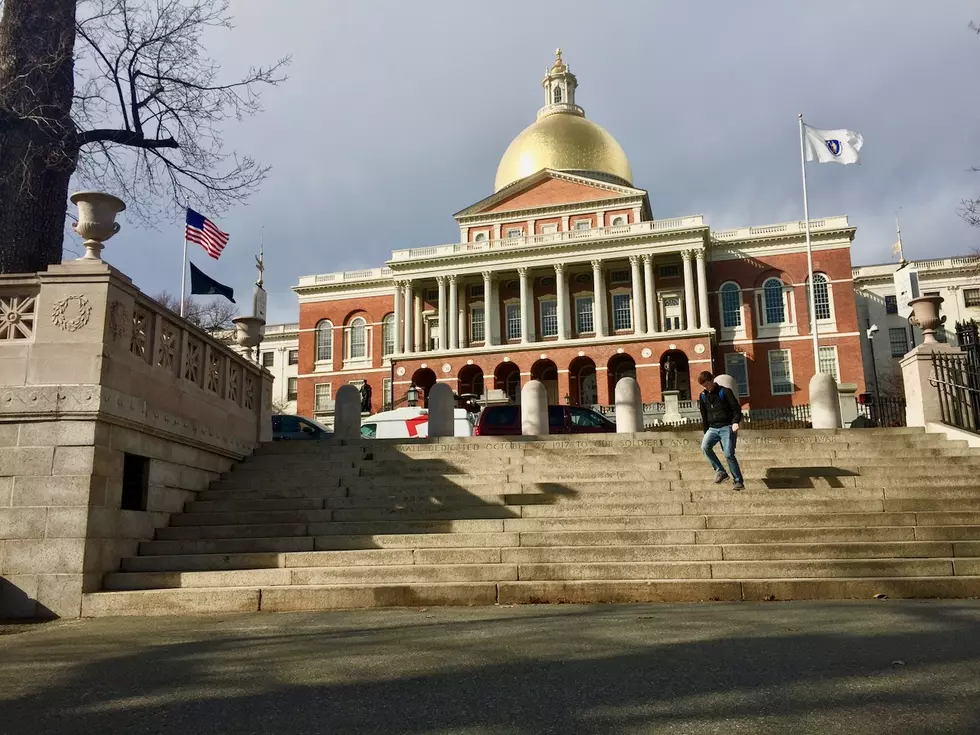
Massachusetts Legislators Take Long Breaks — Here’s What You’re Paying For
Many Massachusetts residents were stunned when their state representatives and senators hit the road for the holidays, embarking on a six-week paid vacation on the taxpayers' dime, while leaving tons of unfinished business behind for when they return to work in January.
Last week, a WBSM story about the Massachusetts Legislature's annual holiday hiatus drew criticism on our Facebook page.
"Must be nice," wrote Michael.
"When was the last time the average Joe got a 6-week paid holiday vacation?" John asked. Scott replied, "Well, at least they won't do any damage for six weeks."
David didn't understand what all the fuss was about. "So, just like they've done for a hundred years or more, well before we had all these chronically unhappy Karens. Cool," he wrote.
David is correct. The holiday season evacuation of Beacon Hill is nothing new; but to an "Average Joe" like John, it can seem excessive, especially when he and the rest of the taxpayers are paying for it.
Why Lawmakers Take a Six-Week Holiday Break
The holiday season is not the only extended paid vacation our trusty lawmakers receive each year, however. They also get the month of August off, with full pay and benefits.

The Massachusetts Immigrant & Refugee Advocacy Coalition (MIRA) is a full-throated supporter of the summer break. "This month-long 'August recess' isn't just a vacation – it's a time for legislators to reconnect with their communities. They attend local events, meet with constituents, and focus on issues that matter to the people they represent," according to MIRA.
Many of us might refer to that as nights and weekends.
Formal vs. Informal Sessions Explained
There are formal and informal legislative sessions during the year. The main difference between the two is the rules, procedures, and the type of business conducted.
InstaTrac.com states that formal sessions are when lawmakers are physically present on Beacon Hill to conduct official business, which includes establishing a quorum, engaging in debates, adhering to specific timeframes for action, and casting votes.
How Informal Sessions Limit Legislative Action
When lawmakers meet informally, there is no debate, and a quorum is not required. Not many lawmakers are present during informal sessions.
InstaTrac says, "In informal sessions, roll call votes are not taken. Instead, all decisions are typically made by voice vote, where unanimous consent is often required."
"The key difference here is that any single legislator present can object to a bill or motion, effectively stopping its progress," according to InstaTrac.
When Lawmakers Meet During Recess Periods
MassLegalService.org says, "Typically, informal sessions are held each Monday and Thursday, with formal sessions scheduled in addition to and in place of an informal session." Leadership can schedule an informal session at any time, such as when lawmakers are on hiatus in August or during holiday recess.
LOOK: Holiday gift crazes and fads of the past century
Gallery Credit: Jennnifer Billock
LOOK: 25 over-the-top Christmas displays from across America
Gallery Credit: Annalise Mantz & Madison Troyer
More From WFHN-FM/FUN 107